Starting seeds yourself can be a really fun experience, and we’re happy to be able to share some native seeds with you at our events and markets! Here you’ll find some tips for starting some of the most common ones we share. Some of our local native species require pretreatment (like boiling or scarification) and/or a cold moist winter stratification period to trigger germination – but these are easy enough to do yourself at home!
For seeds that require the cold moist stratification period, you can accomplish this in two ways. The first is by placing them outside in the winter months after you’ve planted them. Alternatively, you can mix the seeds with moist sand or vermiculite in a container or sealed bag, and place them in your fridge for the required time period. After that, they’re ready to be planted!
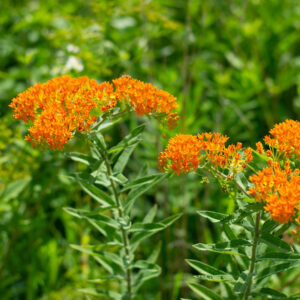
Our milkweeds require a minimum of 30-60 days cold moist stratification in order to germinate. Once grown, different milkweed species have different light and moisture requirements, so be sure to look into what the species you have will need to thrive.
We have a variety of milkweeds in stock at the farm if you’d like to jumpstart your garden with some fully grown plants! Click here to check out our selection and learn more about specific milkweeds.
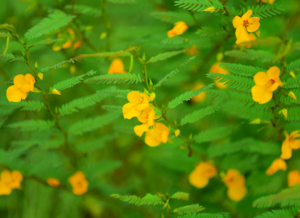
Partridge pea germinates best with a short cold moist stratification period of at least around 2 weeks. We’ve found that you can also get a high germination rate by instead pouring boiling water over the seeds and soaking them for 24 hours before planting. Cover them with about 1/8 inch of soil.
Partridge pea is a fantastic annual that very readily self-seeds. We love it for filling in areas between perennials while you’re waiting for them to grow to their full size, and for sunny pops of color that attract lots of pollinators.
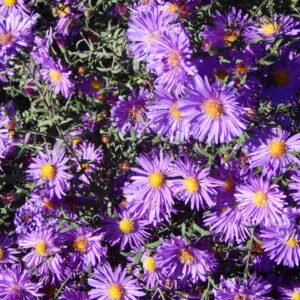
Many of our asters don’t require a cold/moist stratification period! Although it can help boost germination rates, New England Aster can be sown at any point without worrying about exposing it to cold first. Like many tiny seeds, it requires light to germinate, so does best sown on the surface of the soil. You can top it with a light sprinkle of sand to help hold the seeds in place.
We carry a great selection of asters here at Butterfly Effect Farm, check out our current selection and learn more about them by clicking here.
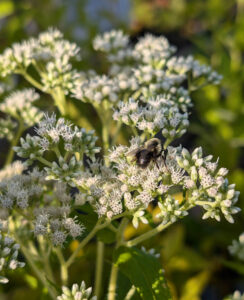
Boneset requires a minimum of 30 days cold/moist stratification. Sow the seeds on the surface of the soil, with a very light sprinkling of sand on top.
Pollinators love the mid-to-late summer blooms of boneset! Check out what we have in stock and learn more about its growing requirements by clicking here.
Subscribe to receive updates, access to exclusive deals, and more.
* By completing this form you are signing up to receive Butterfly Effect Farm emails and can unsubscribe at any time.